
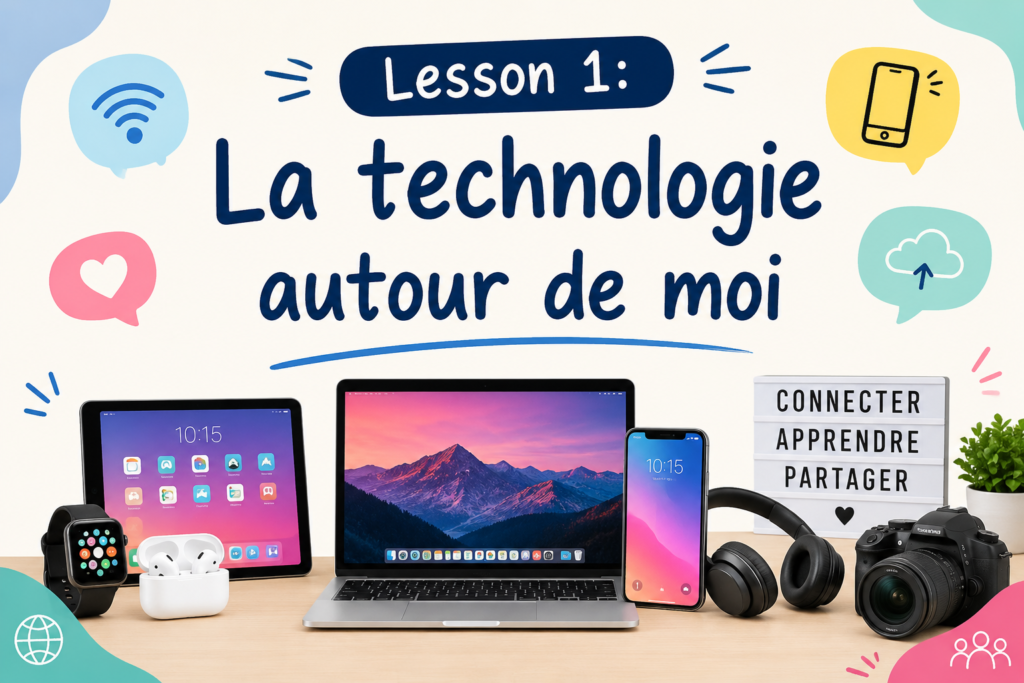
Welcome to Unit 2 of MYP 4 French! In this unit, Ma vie numérique, you will explore how technology, social media and digital communication are part of everyday life. You will learn useful French vocabulary and sentence structures to talk about your digital habits, express your opinions, discuss the advantages and disadvantages of technology, and think about responsible digital behaviour.
Unit Overview – Ma vie numérique
Duration: 5 weeks
Key Concept: Connections
Related Concepts: Audience, Purpose
Global Context: Scientific & Technical Innovation
ATL Skills: Research – Evaluate the impact of technology; Self-management – Use digital tools responsibly
Learner Profile: Reflective, Balanced
Statement of Inquiry
Technology influences the way we communicate, connect, and express our identity.
Throughout this unit, you will explore your own digital life and think about how technology affects the way we communicate, connect with others and express who we are.
By the end of this unit, you will be able to:
- describe different types of technology in French;
- talk about the digital devices you use;
- describe your online activities;
- talk about your technology and social-media habits;
- use frequency expressions such as toujours, souvent, parfois and jamais;
- express your opinions about technology;
- explain the advantages and disadvantages of technology;
- discuss responsible digital behaviour;
- give recommendations for responsible technology use;
- participate in a discussion or debate about digital communication;
- present and defend your own viewpoint.
Assessment criteria
During this unit, you will develop all four MYP French assessment criteria.
| Criterion | What you will practise |
|---|---|
| Criterion A – Comprehending spoken and visual text | Listening to information about technology, digital habits, opinions, arguments and recommendations. |
| Criterion B – Comprehending written and visual text | Reading texts about technology, social media, digital behaviour and different viewpoints. |
| Criterion C – Communicating in response to spoken, written and visual text | Discussing technology, expressing opinions and presenting and defending your ideas. |
| Criterion D – Using language in spoken and written form | Producing connected texts, opinions, recommendations and arguments in French. |
Criterion strands
- Criterion A: ii, iii
- Criterion B: ii, iii
- Criterion C: i, iii, iv
- Criterion D: i, iii, iv
Your learning journey
In this unit, you will work at either an Emergent or Capable level depending on your current language development.
Emergent level
Listening
You will learn to:
- identify technology vocabulary;
- recognize online activities;
- understand frequency expressions;
- identify simple opinions about digital communication.
Reading
You will learn to:
- identify technology and social-media vocabulary;
- recognize online activities;
- identify digital habits;
- identify simple opinions in short texts.
Speaking
You will learn to:
- talk about your technology habits;
- describe your social-media use;
- use frequency expressions;
- express simple opinions.
Writing
You will learn to:
- describe your personal technology habits;
- describe your social-media use;
- express simple opinions;
- write a connected paragraph about your digital life.
Capable level
If you are working at the Capable level, you will develop your ideas further.
Listening
You will learn to:
- identify advantages and disadvantages of technology;
- understand recommendations about responsible digital behaviour;
- identify arguments for and against digital communication.
Reading
You will learn to:
- analyse advantages and disadvantages of technology;
- identify recommendations in texts;
- identify a writer’s viewpoint;
- identify arguments supporting a viewpoint.
Speaking
You will learn to:
- discuss advantages and disadvantages;
- analyse responsible digital behaviour;
- give recommendations;
- participate in a debate;
- present and defend your viewpoint.
Writing
You will learn to:
- write an opinion blog or article;
- analyse responsible digital behaviour;
- give recommendations;
- develop arguments for a debate about digital communication.
5-Week Unit Plan
| Week | Main Focus | Language Development | Main Activities |
|---|---|---|---|
| Week 1 | La technologie autour de moi | Technology vocabulary and digital devices | Vocabulary, visual comprehension and speaking |
| Week 2 | Mes habitudes numériques | Online activities and frequency expressions | Listening, reading and personal digital habits |
| Week 3 | Les réseaux sociaux | Opinions and reasons | Speaking and writing |
| Week 4 | Technologie : avantages et inconvénients | Advantages, disadvantages and connectors | Reading, listening and discussion |
| Week 5 | Un usage responsable du numérique | Recommendations and arguments | Debate, writing preparation and assessment |
Lesson 1 – La technologie autour de moi
What will you learn?
In this first lesson, you will learn how to talk about technology in French. You will identify different digital devices, learn how to describe what you use them for and begin talking about your own digital life.
Lesson Focus
Technology vocabulary and identifying digital tools
By the end of the lesson, you will be able to:
- identify common digital devices in French;
- understand basic technology vocabulary;
- explain what different devices are used for;
- talk about the technology you use every day.
Capable Challenge
If you are working at the Capable level, you will also:
- explain how technology is used for communication;
- distinguish between different forms of digital communication;
- explain how technology helps people connect;
- begin discussing an advantage and a disadvantage of technology.
Starter Activity – Regardez autour de vous
Look around you.
Think for one minute.
What technology can you see?
Can you identify any of these?
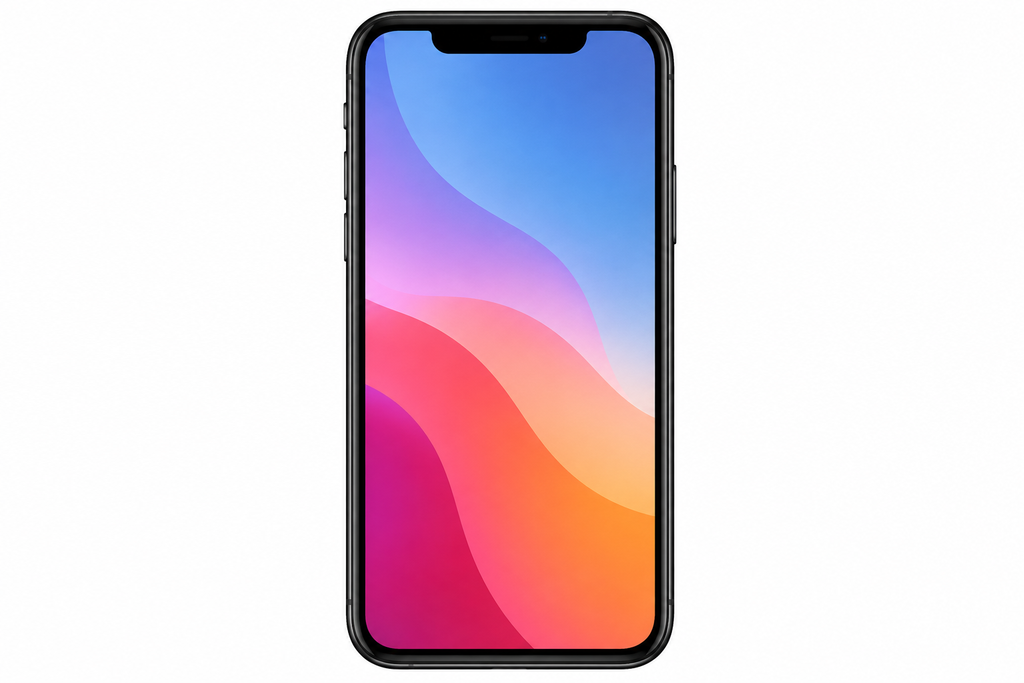
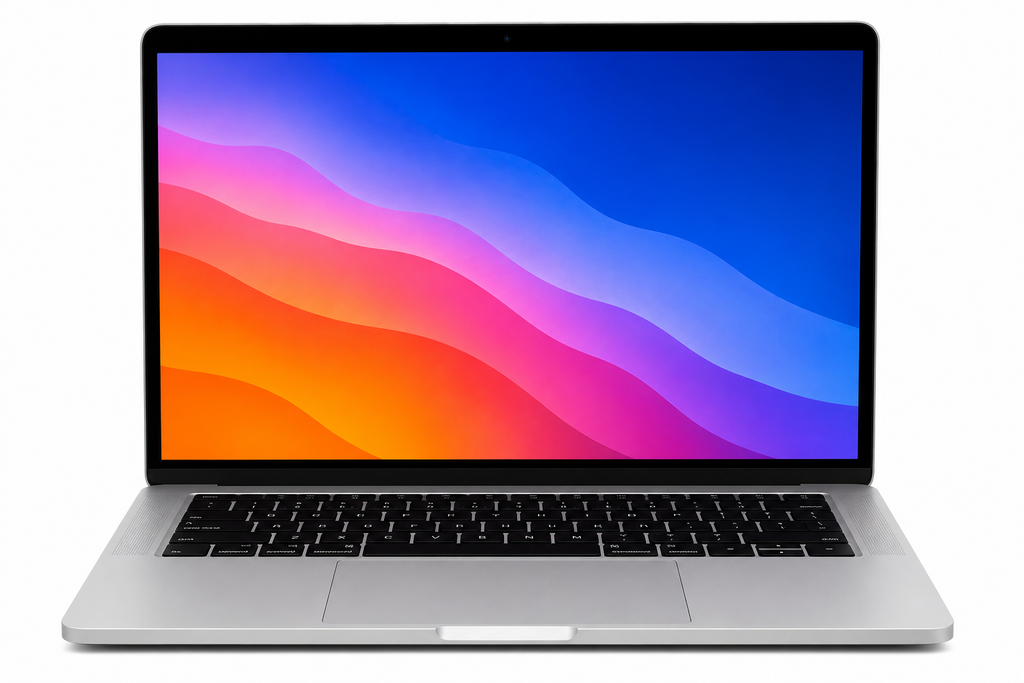
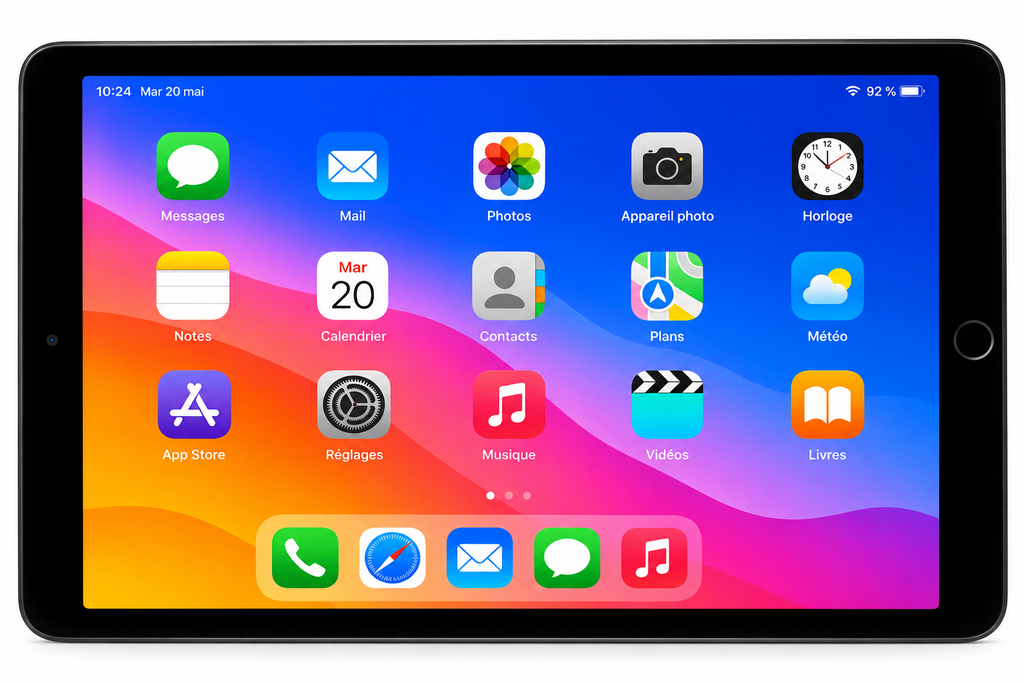

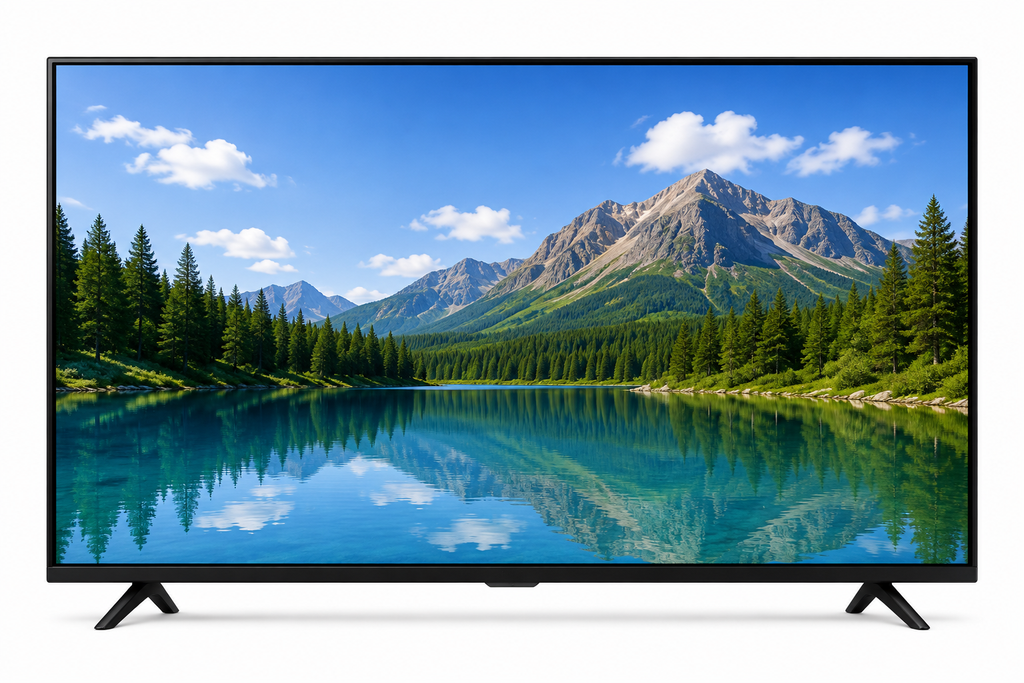
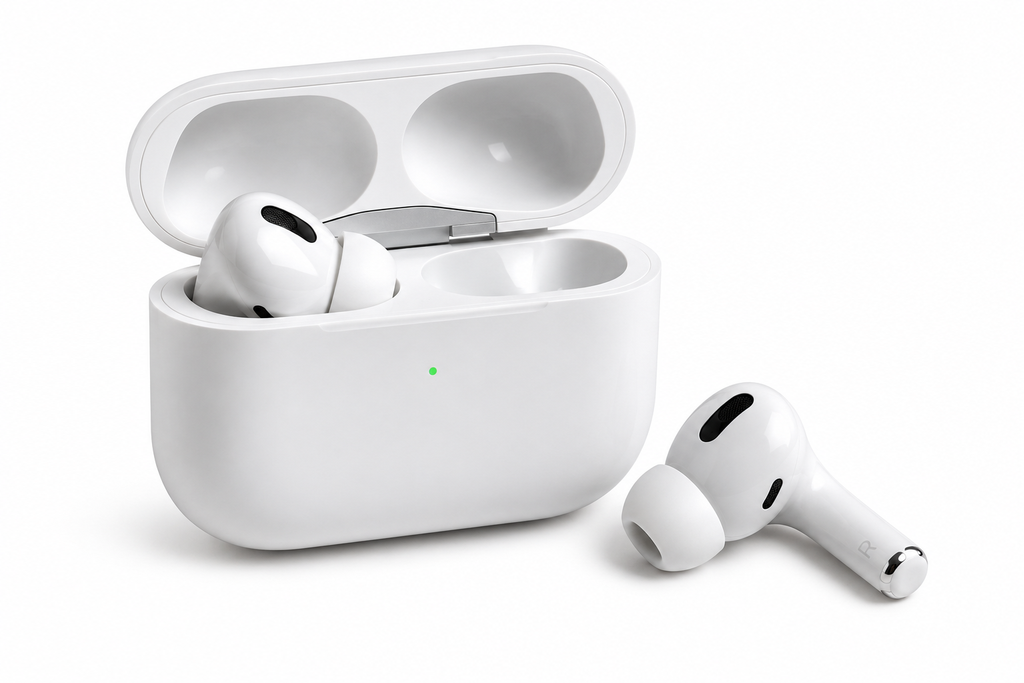
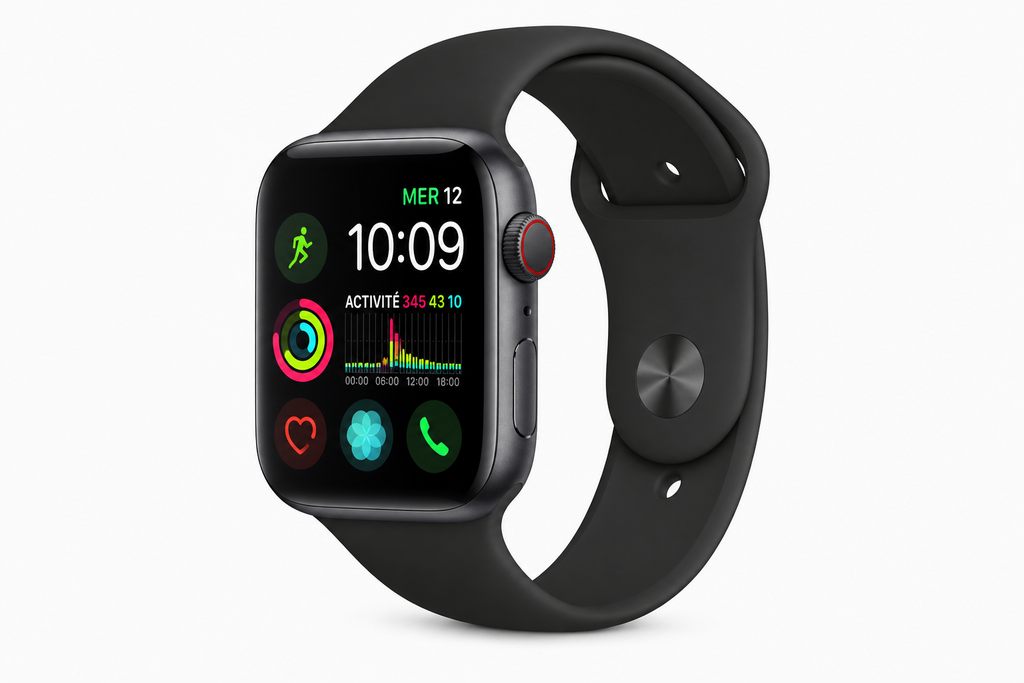
Now think about your own digital life.
Answer these questions:
Quels appareils utilisez-vous tous les jours ?
What devices do you use every day?
Quel est votre appareil préféré ?
What is your favourite device?
Pourquoi ?
Why?
Vocabulary – Les appareils numériques
Learn the following French vocabulary carefully.
| French | English |
|---|---|
| un téléphone portable | mobile phone |
| un smartphone | smartphone |
| un ordinateur | computer |
| un ordinateur portable | laptop |
| une tablette | tablet |
| une télévision | television |
| une montre connectée | smartwatch |
| des écouteurs | earphones |
| un casque | headphones |
| un appareil photo | camera |
| une console de jeux | game console |
| une caméra | camera |
| un clavier | keyboard |
| une souris | mouse |
| un écran | screen |
| Internet | internet |
| le Wi-Fi | Wi-Fi |
Your task
Read each word aloud and try to connect the French word with the correct device.
Digital Activities – Les activités numériques
Now let’s learn the verbs and expressions you need to talk about what you do with technology.
| French | English |
|---|---|
| utiliser Internet | to use the internet |
| envoyer un message | to send a message |
| envoyer un e-mail | to send an email |
| regarder une vidéo | to watch a video |
| écouter de la musique | to listen to music |
| jouer aux jeux vidéo | to play video games |
| faire des recherches | to do research |
| télécharger une application | to download an app |
| prendre des photos | to take photos |
| publier une photo | to post a photo |
| poster un commentaire | to post a comment |
| discuter en ligne | to chat online |
| surfer sur Internet | to surf the internet |
| utiliser les réseaux sociaux | to use social media |
Sentence Structure 1 – Talking About What You Use
The easiest structure is:
J’utilise + technology.
Examples
J’utilise mon téléphone.
I use my phone.
J’utilise mon ordinateur.
I use my computer.
J’utilise ma tablette.
I use my tablet.
Your turn
Complete:
J’utilise __________.
J’utilise __________ tous les jours.
Sentence Structure 2 – Explaining Purpose
To explain why you use a device, use:
J’utilise + device + pour + infinitive.
Examples
J’utilise mon téléphone pour envoyer des messages.
I use my phone to send messages.
J’utilise mon ordinateur pour faire des recherches.
I use my computer to do research.
J’utilise ma tablette pour regarder des vidéos.
I use my tablet to watch videos.
Remember
After pour, use the infinitive:
pour + envoyer
pour + regarder
pour + écouter
pour + jouer
Frequency Expressions – La fréquence
When you talk about your digital habits, you need to explain how often you do something.
| French | English |
|---|---|
| toujours | always |
| souvent | often |
| normalement | normally |
| parfois | sometimes |
| rarement | rarely |
| jamais | never |
| tous les jours | every day |
| chaque jour | every day |
| le week-end | at the weekend |
Examples
J’utilise mon téléphone tous les jours.
Je regarde souvent des vidéos.
Je joue parfois aux jeux vidéo.
Je n’utilise jamais les réseaux sociaux.
Speaking Practice – Ma vie numérique
Now it’s your turn to talk about your digital life.
Complete the sentences:
Je m’appelle __________.
J’utilise __________ tous les jours.
J’utilise mon téléphone pour __________.
J’utilise mon ordinateur pour __________.
Je regarde souvent __________.
Je joue parfois à __________.
J’utilise les réseaux sociaux __________.
Challenge
Try to say your answers without looking at the sentences.
Capable Challenge – Comment la technologie nous aide-t-elle à communiquer ?
If you are working at the Capable level, don’t just name a device. Explain its purpose and its impact.
Think about this question:
Comment la technologie nous aide-t-elle à communiquer ?
Useful expressions
La technologie nous permet de communiquer rapidement.
Nous pouvons envoyer des messages à nos amis.
Nous pouvons faire des appels vidéo avec notre famille.
Les réseaux sociaux nous permettent de rester en contact avec les autres.
Challenge: Advantages and Disadvantages
Give one advantage and one disadvantage.
Advantage
La technologie est utile parce que…
Disadvantage
Cependant, elle peut être un problème parce que…
Try to explain your answer rather than giving only one word.
Team Task – Le classement numérique
Now you will work in a small team.
I will give your group pictures or cards showing different technologies.
For example:
📱 téléphone
💻 ordinateur
📱 tablette
🎧 écouteurs
🎮 console
⌚ montre connectée
📺 télévision
📷 appareil photo
Your team must classify the devices into four categories:
Communication
Divertissement
Études
Information
Then explain your choices.
Example
Nous avons placé le téléphone dans “Communication” parce que nous pouvons envoyer des messages.
Try to use:
Nous avons placé… parce que…
This will help you move from identifying vocabulary to explaining and justifying your ideas.
Exit Ticket – Check your learning
Before you finish Lesson 1, answer the following questions.
Emergent
- Quel appareil utilises-tu tous les jours ?
- Pourquoi l’utilises-tu ?
- À quelle fréquence l’utilises-tu ?
Try to answer in complete French sentences.
Capable
- Quel appareil numérique est le plus important pour toi ? Pourquoi ?
- Comment l’utilises-tu pour communiquer ?
- Donne un avantage de cet appareil.
- Donne un inconvénient.
Try to justify your answers using parce que, mais, cependant or another connector you know.
ATL Skills – Lesson 1
Research
You will identify different technologies and consider how each technology is used.
Self-management
You will begin to reflect on your own technology habits and think about how responsibly you use digital tools.
Learner Profile
Reflective
You will reflect on your own use of technology and consider how digital tools are part of your everyday life.
Balanced
You will begin to think about maintaining a healthy balance between digital activities and other parts of your life.
What you should know after Lesson 1
By the end of this lesson, make sure you can:
☐ Name at least 8 digital devices in French.
☐ Describe at least 5 digital activities.
☐ Say what you use a device for.
☐ Use pour + infinitive correctly.
☐ Use frequency expressions such as souvent, parfois, rarement and jamais.
☐ Talk about your own digital habits.
☐ Give a simple opinion about technology.
☐ At Capable level, explain an advantage and disadvantage of technology.
Unit 2 – What’s Next?
In the next lessons, you will move from naming technology to talking about your digital habits and online activities.
Our learning journey:
Lesson 1: La technologie autour de moi
Lesson 2: Mes activités numériques
Lesson 3: Mes habitudes numériques et la fréquence
Lesson 4: Les réseaux sociaux
Lesson 5: Mon opinion sur la technologie
Lesson 6: Technologie : avantages et inconvénients
Lesson 7: Un comportement numérique responsable
Lesson 8: Protéger ses informations en ligne
Lesson 9: La communication numérique : pour ou contre ?
Lesson 10: Débat et préparation à l’écriture
Lesson 11: Révision et Formative Assessment
Lesson 12: Préparation à la Summative Assessment
Ready? Let’s start with Lesson 2: Mes activités numériques